
Psoriasis is a chronic skin condition that causes skin cells to build up faster than usual, leading to thickened, scaly patches that may itch, crack or feel sore. It can affect different parts of the body, including the scalp, elbows, knees, back and nails. Although psoriasis is not contagious, its symptoms can cause physical discomfort and affect a person’s confidence and quality of life.
The condition develops because of an abnormal immune response, with genetic and environmental factors also playing a role. Symptoms may persist for long periods or occur in cycles, with flare-ups followed by periods when the skin improves.
What Is Psoriasis?
Psoriasis is an immune-mediated inflammatory skin condition. It develops when the immune system becomes overactive and signals the skin to produce new cells more quickly than normal.
Under typical circumstances, skin cells develop and move towards the skin’s surface over several weeks. In psoriasis, this process can take only a few days. The new cells accumulate before the older ones have shed, forming raised, thickened patches known as plaques.
Plaque psoriasis is the most common form of the condition. However, psoriasis can appear in several different forms, each with its own characteristics.
Psoriasis is usually a long-term condition, meaning that it may require ongoing management. Although there is currently no permanent cure, appropriate treatment can reduce inflammation, relieve symptoms and help keep flare-ups under control.
What Causes Psoriasis?
There is no single confirmed cause of psoriasis. Research indicates that the condition develops through a combination of:
- Immune system dysfunction
- Genetic susceptibility
- Environmental influences
- Lifestyle factors
1. An Overactive Immune System
The immune system normally protects the body against infections and other harmful substances. In psoriasis, certain immune pathways become overactive and trigger inflammation in the skin.
This inflammation accelerates the production of skin cells, causing them to accumulate on the surface. The resulting build-up produces the thickened patches and scaling associated with the condition.
Because the immune system is involved, psoriasis is considered an immune-mediated inflammatory disease rather than simply a problem with dry skin.
2. Genetic Factors
Psoriasis can run in families. People who have a parent, sibling or other close relative with the condition may have a higher likelihood of developing it.
Researchers have identified several genes associated with psoriasis, particularly genes involved in immune system regulation. However, having a genetic predisposition does not guarantee that someone will develop the condition.
3. Environmental and Lifestyle Factors
Certain environmental influences can trigger psoriasis in people who are susceptible to the condition. These factors do not necessarily cause psoriasis on their own, but they may contribute to its onset or worsen existing symptoms.
Common triggers include physical injury to the skin, infections, psychological stress, smoking, heavy alcohol consumption and certain medications. Cold, dry weather may also worsen symptoms for some people. Identifying personal triggers can help reduce the frequency or severity of flare-ups, although triggers differ between individuals.
What Are the Common Symptoms of Psoriasis?
Psoriasis symptoms vary according to the type of psoriasis, the area affected and the severity of inflammation. Some people develop a few small patches, while others experience widespread skin involvement.
Common symptoms include:
1. Thick, Raised Patches of Skin
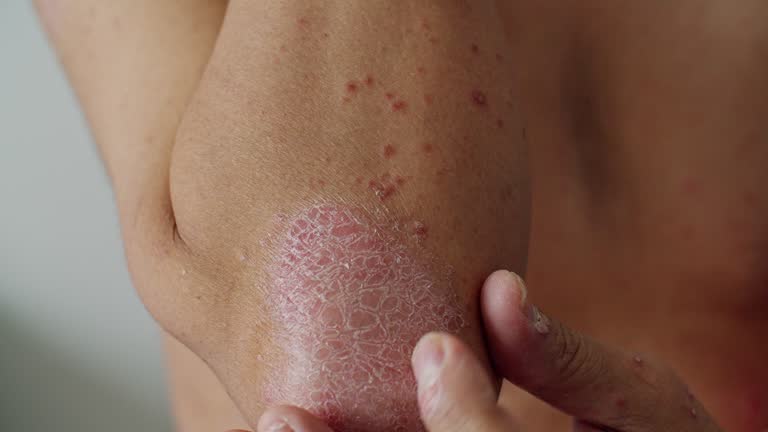
One of the most recognisable signs of psoriasis is the development of raised, thickened patches called plaques. These may have clearly defined edges and appear on the elbows, knees, scalp, lower back or other areas.
On lighter skin, plaques often appear pink or red with silvery-white scales. On brown or black skin, they may look darker brown, violet, grey or purple, sometimes with more noticeable scaling.
2. Dry, Flaky or Scaly Skin
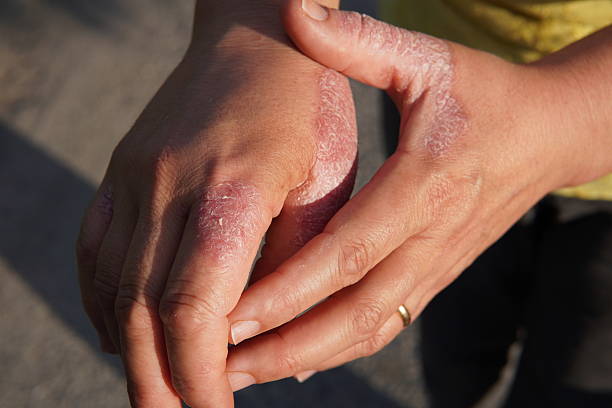
Psoriasis can cause skin to become dry and develop visible flakes or scales. These may shed naturally or become more noticeable when the affected area is scratched.
The skin may also crack, particularly when plaques become thick or occur over areas that move frequently. Cracks can sometimes bleed and cause discomfort.
3. Itching, Burning and Soreness
Many people with psoriasis experience itching, although the intensity varies. Some describe a burning sensation, tenderness or tightness around the affected areas.
Scratching can further irritate the skin and may lead to bleeding or additional inflammation. Avoiding repeated scratching and following an appropriate skincare routine can help minimise irritation.
4. Changes in the Nails
Psoriasis can affect both fingernails and toenails. Common changes include small dents or pits in the nail surface, thickening, discolouration, crumbling or separation of the nail from its underlying bed. Nail changes can sometimes occur alongside skin symptoms or appear before other signs of psoriasis become noticeable.
5. Cracked or Bleeding Skin
Thick plaques and excessive dryness can cause the skin to crack, particularly on the hands, feet and other areas exposed to repeated movement or friction. These cracks may be painful and can increase the risk of secondary infection if the skin barrier becomes damaged.
6. Symptoms That Come and Go
Psoriasis often follows a pattern of flare-ups and periods of improvement. During a flare-up, existing patches may become more inflamed, new lesions may develop, or itching may intensify.
The duration and frequency of flare-ups vary from person to person. Some individuals experience relatively mild symptoms, while others require ongoing treatment to manage more extensive disease.
What Are the Different Types of Psoriasis?
Psoriasis does not always look the same. Recognising its different forms can help explain why symptoms vary between individuals.
- Plaque Psoriasis
- Guttate Psoriasis
- Inverse Psoriasis
- Scalp Psoriasis
- Pustular and Erythrodermic Psoriasis
What Can Trigger a Psoriasis Flare-Up?
Although psoriasis is linked to immune system activity and genetics, certain factors can cause symptoms to appear or worsen. Common triggers include:
- Stress: Periods of significant emotional or physical stress may worsen symptoms in some people.
- Infections: Certain infections, particularly streptococcal throat infections, can trigger psoriasis or contribute to flare-ups.
- Skin injuries: Cuts, scratches, insect bites, friction and sunburn can trigger new lesions in affected individuals. This response is known as the Koebner phenomenon.
- Certain medications: Some medicines, including lithium and certain antimalarial drugs, can worsen psoriasis. Do not stop prescribed medication without consulting your clinician.
- Smoking and heavy alcohol consumption: These are associated with a greater risk of psoriasis or more difficult disease control.
- Cold, dry weather: Reduced humidity and dry conditions may aggravate skin dryness and discomfort.
Keeping track of flare-ups and possible triggers can help you recognise patterns and discuss them with your dermatologist.
How Is Psoriasis Diagnosed?
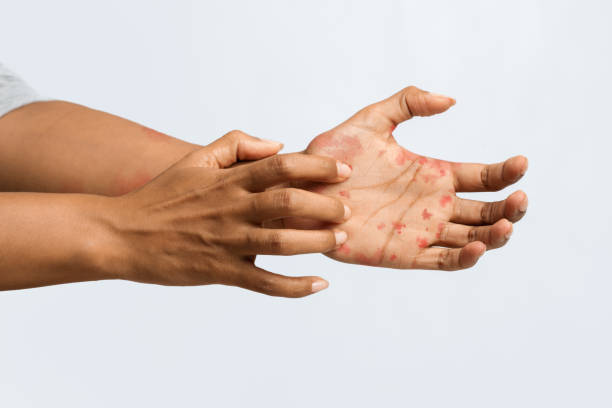
A dermatologist will usually begin by examining the skin, scalp and nails and asking about the duration of symptoms, previous flare-ups, family history and possible triggers.
In many cases, the appearance and distribution of the lesions provide sufficient information to identify psoriasis. However, some skin conditions, such as eczema, fungal infections or other inflammatory skin conditions, can look similar, so further investigation may be needed.
A skin biopsy may occasionally be recommended when the diagnosis is uncertain. This involves examining a small skin sample under a microscope.
Your dermatologist may also ask about joint pain, swelling or stiffness because psoriasis can occur alongside psoriatic arthritis, an inflammatory condition that affects the joints. Persistent joint symptoms warrant medical assessment.
When Should You See a Dermatologist?
Consider consulting a dermatologist if you:
- Develop persistent scaly patches
- Have unexplained skin thickening
- Experience recurring scalp irritation
- Have changes in your nails that do not improve with routine skincare.
Professional assessment is particularly important if the affected areas are spreading, the skin is cracking or bleeding, or symptoms are interfering with sleep and daily activities.
Seek urgent medical attention if you develop widespread skin inflammation, extensive pustules, fever, or feel seriously unwell. If you have psoriasis and experience persistent joint pain, swelling or morning stiffness, arrange a medical assessment promptly. Early diagnosis can help distinguish psoriasis from other skin conditions and establish an appropriate management plan.
Why seek a psoriasis assessment at Avané Clinic?
At Avané Clinic in Nairobi, a dermatological assessment will help identify the cause of persistent scaly patches, skin inflammation and other symptoms associated with psoriasis.
Because psoriasis can resemble other skin conditions, an accurate diagnosis is an important first step. Your dermatologist assesses the affected areas, considers the severity of symptoms and recommends suitable treatment options based on your individual needs.
Although psoriasis is a chronic condition, appropriate management can help control inflammation, reduce discomfort and improve the appearance of the skin. Follow-up care may also be necessary to monitor your response to treatment and adjust the approach when needed.
At Avane Clinic, you will be under the care of knowledgeable and experienced professionals who are well accustomed to psoriasis treatment, as well as other skin conditions. Visit our Yaya Centre and Gigiri Clinic to consult with our specialists. You can book your appointment to see a specialist at a time that is convenient for you. Your psoriasis problem has a cause and solution. We help you discover these and forge a way for you to live worry-free.