
Specialised Expertise, Techniques and What Patients Should Know
Hair loss can affect anyone, but treating hair loss in African and Afro-textured hair often requires a different level of understanding and technical expertise. The unique structure, curl pattern and growth characteristics of African hair can influence everything from how hair follicles are extracted to how they are implanted and how the final result is designed.
For patients in Kenya who have been considering a hair transplant, access to specialists with experience in African hair can therefore make an important difference.
At Avané Clinic, patients can now access specialised African hair transplant procedures through a partnership with experienced hair transplant specialists from Turkey. The specialist team makes monthly visits to Avané Clinic, where consultations, preparation and surgical procedures are carried out within the clinic’s facilities and under the close supervision of the visiting experts.
Why Is African Hair Different?
African hair, particularly tightly curled and coiled hair, has characteristics that can present specific considerations during hair transplantation.
The curl of the hair does not necessarily stop at the surface of the scalp. The follicle itself can follow a curved or angled path beneath the skin. This means that extracting individual follicles requires a careful understanding of their direction and structure.
An inexperienced approach can increase the risk of damaging follicles during extraction. Since every viable follicle is valuable in a hair transplant, preserving the grafts during this stage is essential.
There is also the question of designing a result that looks natural. African hair often has considerable density and texture, meaning that the number of grafts required and their placement need to be carefully planned around the patient’s existing hairline, density, facial structure and pattern of hair loss.
For these reasons, an African hair transplant should not simply be treated as a standard procedure with a different hair type. The technique, planning and experience of the surgical team all matter.
Bringing Turkish Hair Transplant Expertise to Kenya
Turkey has become internationally recognised for hair transplantation, with specialist teams performing large numbers of procedures and developing extensive experience across different hair types and patterns of hair loss.
At Avané Clinic, we have partnered with experienced Turkish hair transplant specialists with particular expertise in working with African hair. The team visits Avané Clinic every month to perform hair transplant procedures at the clinic. Importantly, the process does not require patients to travel abroad for surgery. The necessary consultations, preparation and surgical procedures are performed at Avané Clinic’s facilities in Nairobi.
Procedures take place in specialised theatres under the close supervision of the visiting specialists, combining international expertise with the convenience of receiving treatment locally. It also demonstrates our commitment to providing accessible, quality and expert services to our patients, and adherence to the high standards of services we have set for ourselves.

Which Hair Transplant Techniques Are Used?
At Avané Clinic, hair transplantation may involve FUE (Follicular Unit Extraction) or a combination of FUE and DHI (Direct Hair Implantation), depending on the patient’s hair loss pattern, donor area, desired result and suitability for the procedure.
1. FUE Hair Transplant
FUE involves extracting individual follicular units from a suitable donor area, usually from the back or sides of the scalp. Rather than removing a large strip of scalp, the follicles are extracted individually before being prepared and implanted into areas affected by hair loss.
For African hair, careful extraction is particularly important because the shape and curvature of the follicles can make them more technically demanding to harvest without damage. The goal is to preserve healthy grafts while creating a natural-looking distribution of hair in the recipient area.
2. FUE combined with DHI
Another one of our common approaches combines FUE with DHI, in what is a hybrid transplant process. With this approach, follicles are extracted using the FUE technique and then implanted using a specialised implantation method associated with DHI. This can provide the surgical team with greater control over the positioning and direction of individual grafts.
The exact technique used should always be determined after an individual assessment rather than simply selecting a procedure based on its name.
What Happens Before a Hair Transplant?
A successful hair transplant begins long before the first follicle is extracted. During the assessment, the specialists evaluate the patient’s pattern and extent of hair loss, the condition of the scalp, the available donor hair and the quality and density of existing hair.
The team also considers the patient’s age, expectations and long-term hair loss pattern. This is important because a hair transplant is designed not only around how the scalp looks today, but also around creating a result that remains appropriate as the patient ages.
Medical history is also important. We advise patients to disclose any existing medical conditions, medications, previous procedures and other relevant health information. Conditions such as diabetes do not necessarily mean that a person cannot have a hair transplant, but they may require additional consideration.
What Can Patients Expect During the Procedure?
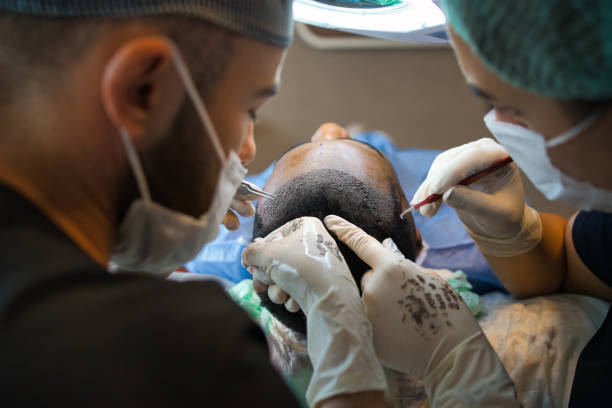
Once the patient has been assessed and deemed suitable, the procedure is performed at Avané Clinic in a specialised theatre under the supervision of the visiting hair transplant specialists. The donor follicles are carefully extracted, prepared and then implanted into the areas requiring restoration.
Particular attention is given to the direction, angle and distribution of the implanted follicles. This is especially important when treating African hair. The objective is not simply to add as many grafts as possible. Instead, the procedure is planned around achieving a natural and proportionate result while making effective use of the available donor hair.
Is an African Hair Transplant Safe?
Hair transplantation is a surgical procedure, so it should always be approached with appropriate medical assessment and professional supervision.
When performed on a suitable patient by an experienced specialist team, hair transplantation is generally considered a well-established hair restoration procedure. However, as with any surgical treatment, there can be potential risks and side effects, including swelling, temporary discomfort, bleeding, infection or changes in sensation.
Individual medical conditions can also influence whether and how the procedure should be performed. This is why the assessment stage is so important. At Avané Clinic, patients are evaluated before treatment to determine whether they are suitable and whether any additional precautions are required.
Is it Safe for Patients with Pre-Existing Conditions?
We have heard of experiences from people with pre-existing conditions that prevented them from seeking such advanced surgical procedures, due to the complexity of their conditions. This has been the case for many patients with diabetes, hepatitis, and other pre-existing conditions. The good news is, with Avané Clinic, they can now enjoy the benefits of such treatments.
The procedures are done in clean and hygienic theatres, with specialised equipment and well-trained and experienced medical personnel. Patients are placed under close supervision to monitor their condition before and during the hair transplant procedures. This is done to ensure their safe well-being as well as the effectiveness of the whole treatment. Our patients’ general health is of key importance to us, and ensuring a safe treatment is at the core of every treatment.
Recovery and Hair Growth After a Transplant
A hair transplant does not produce an instant full head of hair. After transplantation, the newly implanted follicles need time to establish themselves. It is normal for some of the transplanted hair shafts to shed during the early stages before new growth begins.
Hair growth then develops gradually over the following months. The timeline varies from patient to patient, and the final result can take several months to become fully apparent.
Following the specialist’s aftercare instructions is therefore an important part of the treatment. Patients may receive guidance on washing the scalp, protecting the transplanted area, returning to normal activities and caring for the scalp during recovery. Regular follow-up can also help the clinical team monitor progress and address any concerns during the recovery period.

Is an African Hair Transplant Right for You?
Hair transplantation can be an effective option for people experiencing certain types of permanent hair loss, but it is not the right solution for everyone.
The most appropriate approach depends on factors such as:
- The cause and pattern of hair loss
- The availability of healthy donor follicles
- The scalp health
- The age of the patient,
- Medical history
- The patient’s expectations
Access Specialised Hair Transplant Expertise at Avané Clinic
Hair restoration is no longer something Kenyan patients necessarily need to travel abroad to pursue. Through our partnership, you get:
- Turkish specialized care right here in Kenya
- Specialised expertise in African hair transplantation
- Special theatre environment and close supervision from the qualified specialists
- Specialised post hair transplant care from our speclialists.
Final Take.
Are you experiencing a receding hairline, thinning hair, significant hair loss, or are simply exploring your hair restoration options? The first step is understanding what is causing your hair loss and whether transplantation is appropriate for you. Visit our clinic or Contact Us to arrange a consultation and discuss your hair loss, treatment options and suitability for hair restoration. Don’t miss out on this golden opportunity to regain your hair and your confidence.