
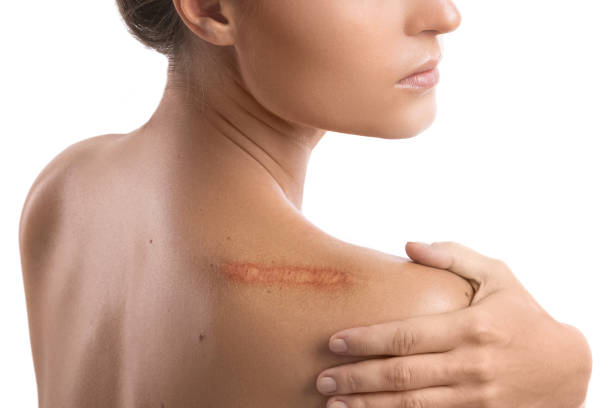
Keloids are raised scars that develop when the body produces excessive scar tissue during the healing process. They can appear after relatively minor skin injuries, including acne, cuts, burns, piercings and surgical procedures. Unlike ordinary scars, keloids can continue growing beyond the boundaries of the original wound, sometimes becoming larger and more noticeable over time.
For many people, keloids are more than a cosmetic concern. They can cause itching, tenderness, pain and discomfort, particularly when they develop around the ears, chest, shoulders or joints.
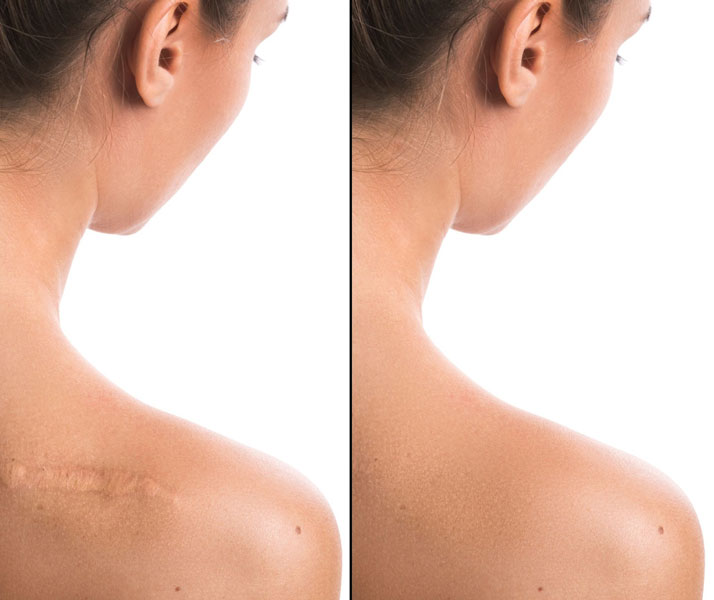
One of the most common questions people ask when considering treatment is whether keloids can be removed completely. The answer requires realistic expectations: keloids can often be reduced significantly, flattened and made less uncomfortable, but complete and permanent removal cannot be guaranteed. Even after successful treatment, they may return.
Can Keloids Be Removed Completely?
Keloids can be treated, but no currently available treatment guarantees permanent removal. Some treatments can significantly reduce their size, thickness, colour and associated symptoms. Others aim to prevent further growth or reduce the likelihood of recurrence.
The main challenge is that keloids develop because of an abnormal wound-healing response. The skin produces excessive collagen, creating scar tissue that extends beyond the original injury. Even when the visible scar is reduced or removed, the tendency to produce excessive scar tissue may remain.
Surgical removal alone is particularly associated with recurrence because the new wound created during surgery can trigger another keloid. For this reason, dermatologists often recommend combining treatments rather than relying on a single procedure. The objective is to control the scar, improve its appearance and reduce the risk of it returning.
Why Do Keloids Come Back After Treatment?
Keloids are different from ordinary scars because the underlying healing response remains active. Removing or flattening the visible tissue does not necessarily eliminate the factors responsible for excessive scar formation.
Several factors contribute to recurrence:
- Abnormal collagen production: The skin continues producing excessive collagen during the healing process, potentially creating another raised scar.
- Genetic predisposition: Some individuals are more likely to develop keloids because of inherited factors.
- Skin trauma: Surgery, cuts, piercings and other injuries can trigger new keloid formation in susceptible individuals.
- Location: Certain areas, particularly the chest, shoulders, upper back and earlobes, are more prone to keloid development.
- Previous keloids: Someone who has developed a keloid before may be more likely to develop another following a new injury or procedure.
The American Academy of Dermatology notes that keloids can return even after treatment and that combining different approaches may improve outcomes.
What Are the Treatment Options for Keloids?
Keloid treatment depends on the scar’s size, location, thickness, symptoms and previous response to treatment. A dermatologist may recommend one procedure or a combination of approaches to achieve better control.
1. Corticosteroid Injections
Intralesional corticosteroid injections are among the most commonly used treatments for keloids. The medication is injected directly into the raised scar to reduce inflammation and excessive collagen activity.
Over a series of treatments, corticosteroid injections can help soften and flatten the keloid while reducing itching, tenderness and discomfort.
Several sessions are usually required, with intervals determined by the dermatologist. The number of treatments depends on the size and response of the scar.
Possible side effects include thinning of the surrounding skin, visible small blood vessels and lighter areas of pigmentation. These changes are particularly important to consider when treating people with darker skin tones.
2. Cryotherapy
Cryotherapy involves freezing the keloid tissue, usually with liquid nitrogen. The cold temperature damages the excess scar tissue and can gradually reduce its thickness and firmness.
It is often considered for smaller keloids and may be combined with corticosteroid injections to improve treatment outcomes.
However, cryotherapy can cause blistering, discomfort and changes in skin pigmentation. Lighter patches may be particularly noticeable on brown and black skin, so the potential benefits and risks should be discussed before treatment.
3. Laser Treatment
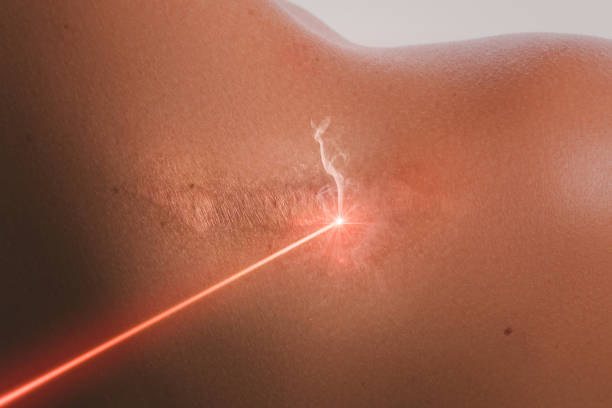
Certain laser treatments can help improve the appearance of keloids by reducing redness, improving colour and, in some cases, reducing their height.
Pulsed-dye lasers are commonly used to target blood vessels within the scar, helping reduce redness and some associated symptoms. Other laser approaches may be considered depending on the characteristics of the keloid.
Laser treatment is often used alongside corticosteroid injections or other therapies rather than as a stand-alone solution.
The choice of laser requires particular care in darker skin tones because some treatments can cause pigmentation changes or irritation.
4. Silicone Gel and Silicone Sheets
Medical-grade silicone gel and silicone sheets are commonly used in scar management. They work by creating a protective, hydrated environment over the scar, which may help soften and flatten raised tissue over time.
They are often recommended for relatively new scars, as part of an ongoing treatment plan or after other procedures to help reduce the risk of recurrence.
Consistency is important. Silicone products generally need to be used regularly over several weeks or months, according to the recommended instructions.
Although silicone can improve scar appearance, it may not be sufficient to treat large or established keloids on its own.
5. Pressure Therapy
Pressure therapy involves applying consistent pressure to the affected area using specially designed dressings, garments or compression earrings.
It is particularly useful for certain earlobe keloids, including those that develop after ear piercing. Pressure can help control scar growth and may reduce the likelihood of recurrence following removal.
For the treatment to be effective, the pressure device often needs to be worn for extended periods. The exact duration depends on the location of the keloid and the treatment plan.
6. Surgical Keloid Removal
Surgical removal involves cutting out the excess scar tissue. It may be considered for large, persistent or treatment-resistant keloids, particularly when other approaches have not produced satisfactory improvement.
However, surgery alone carries a high risk of recurrence. In some cases, the new keloid may grow back larger than the original scar.
For this reason, surgical removal is generally combined with additional treatment, such as corticosteroid injections, pressure therapy or other specialist-directed approaches.
The aim is to manage the healing response after removal and reduce the likelihood of another keloid forming.
Which Keloid Treatment Is Most Effective?
There is no single treatment that works best for every keloid. The most appropriate approach depends on the characteristics of the scar and the individual’s history.
For example, a small earlobe keloid may respond to injections combined with pressure therapy, while a thicker or more established scar may require a different combination of treatments.
Dermatologists may consider:
- The size, thickness and location of the keloid.
- Whether it is painful, itchy or continuing to grow.
- Previous treatments and whether the scar returned.
- The individual’s tendency to develop abnormal scars.
- The risk of pigmentation changes or other side effects.
- The expected benefits and limitations of each treatment.
Combination treatment is frequently recommended because addressing both the existing scar tissue and the risk of further growth can improve overall management.
How Long Does Keloid Treatment Take?
Keloid treatment is usually a gradual process. Unlike some cosmetic procedures that produce visible changes after one session, managing a keloid often requires repeated treatments and follow-up assessments.
Corticosteroid injections, for example, may be administered over several months. Silicone sheets and pressure devices may need to be used consistently for extended periods. Laser and cryotherapy treatments may also require multiple sessions.
The time required depends on the size of the keloid, its location, the selected treatment and how the skin responds.
It is important to attend recommended follow-up appointments, even when the scar appears to have improved. Monitoring allows the dermatologist to identify early signs of recurrence and adjust the treatment plan when necessary.
Can Keloids Be Prevented From Returning?
Although recurrence cannot always be prevented, certain measures can help reduce the risk of developing new keloids or worsening existing ones.
If you have previously developed a keloid, consider the following precautions:
- Avoid unnecessary skin injuries, piercings and cosmetic procedures that may trigger abnormal scarring.
- Seek early acne treatment, particularly if it causes deep inflammation or scarring.
- Follow wound-care instructions carefully after surgery or an injury.
- Use prescribed silicone products or pressure devices as directed.
- Attend follow-up appointments after keloid treatment.
- Inform healthcare professionals about your history of keloid formation before undergoing procedures.
If you are prone to keloids, it is particularly important to discuss this history with your dermatologist before any procedure that involves skin injury.
When Should You See a Dermatologist for a Keloid?
You should consider a dermatological assessment if you notice a raised scar that continues growing beyond the original wound, becomes increasingly uncomfortable or changes in appearance.
A consultation is also recommended if a scar causes persistent itching, tenderness or pain, interferes with movement or affects your confidence.
Not every raised scar is a keloid. Hypertrophic scars, for example, can also appear thick and raised, but they usually remain within the boundaries of the original injury and may gradually improve over time. A dermatologist can distinguish between these conditions and recommend appropriate management.
Early assessment can also be useful when a scar is still developing, as treatment may be easier before it becomes large or firmly established.
Keloid Treatment at Avané Clinic
At Avané Clinic in Nairobi, managing keloids begins with understanding the nature of the scar, its location, how long it has been present and whether it has responded to previous treatment.
Because keloids can behave differently from ordinary scars, treatment needs to be carefully selected. A dermatologist can assess the affected area, discuss the available options and explain what level of improvement may realistically be achieved.
The approach focuses on reducing excessive scar tissue, improving the appearance of the affected skin and managing symptoms such as itching, tenderness and discomfort. Where appropriate, treatment and follow-up may be needed to monitor the scar and address signs of recurrence.
For individuals who have previously experienced keloid regrowth, discussing their treatment history is particularly important when planning the next step.
Understand Your Keloid Treatment Options
Keloids can be challenging to manage because they may continue growing and can return after treatment. The most appropriate treatment depends on the individual scar, its location, previous treatment history and the risk of recurrence.
If you have a raised scar that may be a keloid, book a consultation at Avané Clinic in Nairobi. A dermatologist can assess the scar, explain realistic treatment expectations and recommend an approach suited to your skin. You can also visit our clinics at the Yaya Centre and the United Nations Crescent in Gigiri to consult with our specialists.