
Stretch marks are extremely common and can develop when the skin stretches or changes rapidly. They often appear during pregnancy, puberty, periods of significant weight change or rapid muscle growth. Although they are harmless, their colour, texture and indented appearance can make them a persistent cosmetic concern.
For people with mature or old stretch marks, treatment can be more challenging because the marks have already developed into established changes within the skin. However, professional expertise and use of procedures that stimulate collagen production can make them less noticeable. Microneedling is one treatment option used to improve the appearance and texture of stretch marks, including mature stretch marks.
What Are Stretch Marks?
Stretch marks, medically known as striae distensae, are a type of scar that develops when the skin stretches or shrinks relatively quickly. This can affect the collagen and elastin fibres that provide the skin with structure and elasticity.
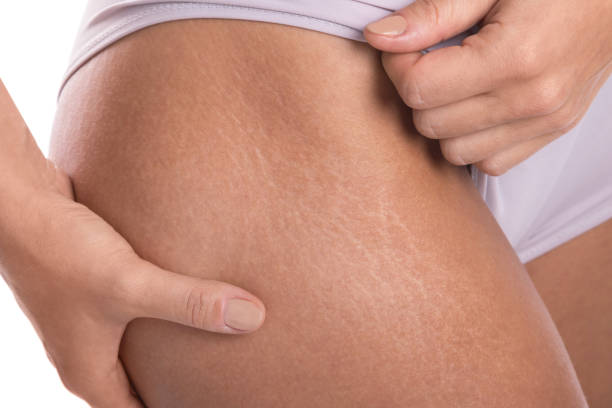
Newer stretch marks may appear pink, red, purple or brown depending on your skin tone. Over time, they usually become lighter and may develop a slightly depressed or wrinkled texture. These mature marks are often referred to as striae alba.
Stretch marks are permanent changes in the skin, although they often fade naturally over time. Treatment does not completely erase them, but certain dermatological procedures can make them less noticeable.
Can Microneedling Treat Old Stretch Marks?
Yes, microneedling can improve the appearance of old stretch marks. It does this by creating controlled micro-injuries in the skin, triggering the body’s natural wound-healing response and stimulating the production of collagen.
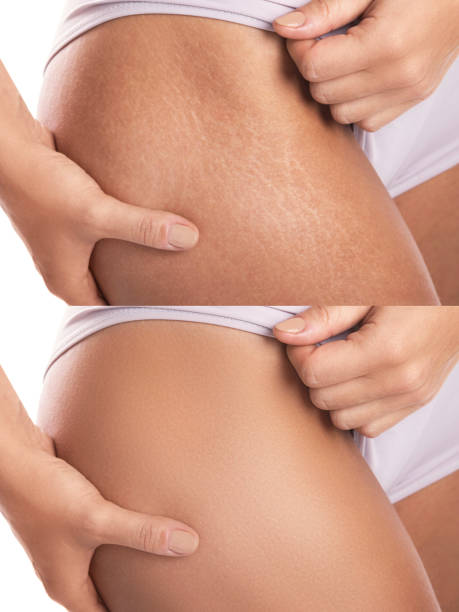
As new collagen develops, the treated skin can become smoother and more even in texture. This may reduce the depth and visibility of mature stretch marks over a course of treatments. It is important to note that the results vary between individuals and treatment protocols.
How Does Microneedling Work on Stretch Marks?
Microneedling uses a device with very fine needles to create controlled micro-channels within the skin. These small punctures stimulate the skin’s repair process without removing the entire surface layer.
For stretch marks, this process can encourage new collagen formation and gradual remodelling of the treated area. With repeated treatments, the skin may become firmer and smoother, while the difference in texture between the stretch marks and surrounding skin can become less noticeable.
Why Are Old Stretch Marks More Difficult to Treat?
The age of a stretch mark can influence how it responds to treatment. Early stretch marks are still undergoing changes within the skin and may respond differently from mature, pale stretch marks.
Old stretch marks have generally been present for a longer period and may have a more established depressed texture. This does not mean they cannot be treated. Rather, improvement usually requires patience and a treatment approach designed around the characteristics of the individual stretch marks.
How Many Microneedling Sessions Are Needed?
Microneedling for stretch marks is usually performed as a course of treatments rather than a single session. The number of sessions required depends on factors such as:
- The age and depth of the stretch marks
- The size of the treatment area
- The colour and texture of the marks
- Your skin type and healing response
- The extent of improvement you want to achieve
Your dermatologist can assess the stretch marks and recommend an appropriate treatment plan. Improvements develop gradually as the skin produces and remodels collagen, so results should not be judged immediately after one session.
What Happens During Microneedling for Stretch Marks?
Before treatment, the skin is assessed and cleansed. A topical numbing cream may be applied to improve comfort, depending on the treatment area and technique being used.
The microneedling device is then moved systematically across the stretch marks. The controlled needle penetration stimulates the skin’s natural repair response.
After treatment, the skin may appear red and feel warm or sensitive. Mild swelling can also occur. These effects generally settle as the skin recovers, although the exact recovery period varies from person to person.
Following your dermatologist’s aftercare instructions is important for supporting healing and reducing the risk of complications.
Can Microneedling Be Combined With Other Treatments?
In some cases, microneedling may form part of a broader treatment plan. Dermatologists may consider other procedures or technologies depending on the type, colour, depth and location of the stretch marks.
Treatment protocols may also include other remedies such as lasers, radiofrequency and other energy-based procedures. A dermatologist can determine whether combination treatment is appropriate rather than automatically combining procedures.
Is Microneedling Suitable for All Skin Types?
Microneedling can be performed on a wide range of skin tones and is considered a minimally invasive treatment. However, it is not suitable for everyone.
Your dermatologist should assess your skin and medical history before treatment. Microneedling may need to be postponed if you have an active skin infection, significant inflammation or certain other skin conditions. People who develop keloids or raised scars may also require particular consideration before undergoing the procedure. This assessment is especially important when treating larger areas of the body.
When Will You See Results?
Microneedling does not produce its final effect immediately. The treatment stimulates a biological process that continues after the procedure as the skin repairs itself and produces new collagen.
Some improvement may become noticeable after several days, while a course of treatments can provide more gradual changes in texture and appearance. Our dermatologist will advise you on how much improvement may realistically be expected based on the age and characteristics of your stretch marks.
Microneedling for Stretch Marks at Avané Clinic
At Avané Clinic in Nairobi, microneedling can be used as part of a personalised approach to improving the appearance of stretch marks. Your skin is assessed before treatment so that the procedure can be tailored to the area being treated and the characteristics of your stretch marks.
Rather than promising complete removal, the focus is on improving the texture, depth and visibility of established stretch marks through controlled stimulation of the skin’s natural collagen-production process.
If you have old stretch marks that have remained noticeable despite time or topical products, a consultation with a dermatologist can help you understand which treatment options may be appropriate for your skin. Visit our dermatologists at our Yaya Centre Clinic or the Gigiri Clinic for expert review and recommendations.
Improve the Appearance of Old Stretch Marks
Old stretch marks do not have to remain exactly as they are. While they cannot be completely erased, treatments such as microneedling can stimulate collagen production and improve the texture and visibility of mature stretch marks.
At Avané Clinic, treatment begins with an assessment of your skin and the stretch marks themselves. This allows your dermatologist to determine whether microneedling is suitable and develop a treatment approach based on your individual needs. Book a consultation at Avané Clinic in Nairobi to discuss your stretch marks and explore suitable treatment options.