
Eczema is a common skin condition that can cause dryness, itching, inflammation and irritation. For some people, symptoms are occasional and manageable, while others experience recurring flare-ups that can significantly affect their comfort and quality of life.
Although there is currently no permanent cure for atopic eczema, the condition can often be controlled with the right treatment and ongoing skin care. The aim of eczema treatment is to calm inflammation, relieve itching, restore the skin barrier, reduce flare-ups and prevent complications such as skin infections. So, how is eczema managed, and when should you see a dermatologist?
What Is Eczema?
Eczema is a general term used to describe several conditions that cause inflamed, irritated or itchy skin. It may occur in different forms and with various effects on the skin. These include:
- Atopic dermatitis – the most common form
- Contact dermatitis
- Dyshidrotic eczema
- Nummular eczema
- Seborrhoeic dermatitis
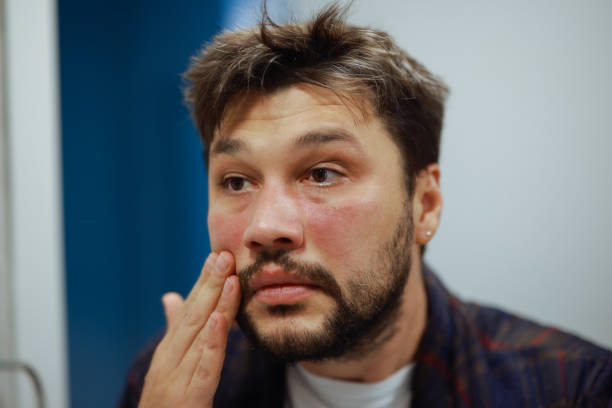
Atopic dermatitis can affect people of all ages but is particularly common in children. The condition often causes dry and sensitive skin, itching, redness or darker patches, scaling and inflammation. Symptoms can improve for periods and then return during flare-ups.
Because different types of eczema can have different causes and appearances, an accurate diagnosis is an important part of treatment.
Can Eczema Be Cured?
Atopic dermatitis cannot currently be cured, but it can be effectively managed. Treatment focuses on controlling symptoms, protecting the skin barrier and reducing the frequency and severity of flare-ups.
For some people, eczema may become less active over time. Others may experience symptoms throughout adulthood and require long-term management. A personalised treatment plan can help keep the condition under control while adapting to changes in the skin.
How Is Eczema Treated?
There is no single eczema treatment that works for everyone. A dermatologist will consider the type of eczema, how severe it is, where it occurs, the patient’s age and any factors that may be triggering or worsening symptoms.
Eczema management may include several approaches.
1. Moisturising and restoring the skin barrier
Keeping the skin moisturised is one of the foundations of eczema management. Eczema can weaken the skin barrier, allowing moisture to escape more easily and making the skin more vulnerable to irritation.
Regular use of an appropriate fragrance-free moisturiser or emollient can help reduce dryness and support the skin barrier. Dermatologists commonly recommend applying moisturiser after bathing and whenever the skin becomes dry.
Moisturisation is not simply an additional skincare step. For many people with eczema, it forms part of their ongoing management plan, including during periods when the skin appears relatively clear.
2. Identifying and avoiding triggers
Eczema flare-ups can be triggered or aggravated by different factors, and these vary from person to person.
Potential triggers can include:
- Fragranced skincare and personal-care products
- Harsh soaps and detergents
- Certain fabrics, including wool
- Hot or cold weather
- Excessive sweating
- Stress
- Environmental irritants
Keeping track of when flare-ups occur can sometimes help identify patterns. However, not every person with eczema will have an obvious trigger, and avoiding foods or environmental factors without professional advice is not necessarily appropriate.
3. Topical corticosteroids
Topical corticosteroids are commonly prescribed to control eczema flare-ups. They work by reducing inflammation and itching in affected areas and remain an important part of eczema treatment when used appropriately.
Different corticosteroids have different strengths, and the appropriate preparation depends on factors such as the severity of the eczema, the patient’s age and the part of the body being treated.
Because stronger corticosteroids are not automatically better, they should be used according to a dermatologist’s instructions. The face, neck and other sensitive areas may require different treatment from thicker areas of skin.
4. Other topical treatments
If corticosteroids are not appropriate, do not adequately control the condition or need to be limited in certain areas, dermatologists may consider other prescription topical treatments.
These can include topical calcineurin inhibitors, such as tacrolimus and pimecrolimus, as well as other newer topical medicines for selected patients. Current dermatology guidelines also include topical PDE-4 and JAK inhibitors among treatment options for appropriate patients.
The choice of medication depends on the patient’s individual circumstances, so prescription treatments should be used under appropriate medical guidance.
What If Eczema Is Severe?
When eczema is moderate to severe or does not respond adequately to topical treatment, a dermatologist may consider additional therapies.
Depending on the individual case, these may include phototherapy or systemic medicines that work throughout the body. Modern systemic treatment options include biologic medicines and certain oral immunomodulating medicines.
These treatments require medical assessment and monitoring. They are generally considered when the potential benefits justify their use and when simpler approaches have not provided sufficient control.

Can Eczema Become Infected?
Eczema can increase the risk of skin infection, particularly when persistent itching leads to scratching and breaks in the skin.
Signs that may indicate an infection include increasing pain, warmth, swelling, oozing, crusting or a sudden worsening of the rash. If these symptoms develop, medical assessment is important because an infection may require specific treatment.
It is important not to assume that every eczema flare is an infection. A dermatologist can determine whether infection is present and whether antimicrobial treatment is necessary.
Eczema Treatment for Children
Eczema is particularly common during childhood, and treating a child’s skin requires consideration of their age, the severity of the condition and the areas affected.
Regular moisturisation remains an important part of management. During flare-ups, a dermatologist may prescribe topical medicines appropriate for the child’s age and the affected area. For children with more persistent or severe eczema, additional specialist treatments may be considered.
Parents should also avoid changing treatment strength or frequency without professional guidance, particularly when using prescription medicines on a child’s face or other sensitive areas.
Eczema and Daily Skin Care
Good everyday skin care can play an important role in keeping eczema under control. Alongside prescribed treatment, people with eczema can often benefit from a simple and consistent routine.
Consider:
- Using gentle, fragrance-free skincare products.
- Taking short baths or showers with warm rather than very hot water.
- Applying moisturiser while the skin is still slightly damp.
- Avoiding harsh soaps and detergents where possible.
- Keeping nails short to reduce damage caused by scratching.
- Paying attention to potential personal triggers.
- Following the treatment plan recommended by your dermatologist.
These measures do not replace medical treatment when it is required, but they can help support the skin barrier and reduce irritation.
When Should You See a Dermatologist for Eczema?
Not every case of dry or itchy skin is eczema. If symptoms persist, repeatedly return or interfere with sleep and daily activities, a dermatological assessment can help establish the cause.
You should also consider seeing a dermatologist if:
- Your symptoms are becoming more frequent or severe.
- Over-the-counter skincare products are not providing enough relief.
- The rash is spreading or changing in appearance.
- You are experiencing significant itching or discomfort.
- Your skin is cracking, bleeding or becoming painful.
- You suspect the skin may be infected.
- Eczema is affecting your child’s sleep, comfort or daily activities.
- You have been treating the condition but are not seeing improvement.
A dermatologist can examine the skin and, where necessary, investigate whether another condition could be causing or contributing to the symptoms.

Eczema Treatment at Avané Clinic
At Avané Clinic in Nairobi, eczema management begins with understanding the individual patient’s skin and symptoms. Because eczema can vary considerably between people, treatment is tailored according to the type and severity of the condition, the patient’s age and any factors that may be contributing to flare-ups.
Treatment may involve a combination of medical therapies, appropriate skincare and advice on managing triggers. For patients with persistent or more complex eczema, our dermatologist can assess whether additional treatment options are appropriate.
Our goal is not to just simply treat a flare-up when it appears but to help patients understand their condition and develop a practical approach to maintaining healthier, more comfortable skin. Our specialists at The Yaya Centre in Nairobi or The United Nations Cres in Gigiri are knowledgeable in Eczema treatment and management, bringing years of experience in helping patients live their best lives with Eczema.
Managing Eczema Starts with Understanding Your Skin
Living with eczema does not mean having to accept constant itching, dryness or recurring flare-ups. With the right diagnosis, skincare routine and medical treatment where necessary, many people can achieve much better control of their symptoms.
If you are experiencing persistent or recurring eczema in Nairobi, a consultation with our dermatologist can help determine what is causing your symptoms and which treatment options may be appropriate for you. Book your consultation today and let us help you put a smile on your face and keep the eczema away.