
Laser hair removal has become a popular option for people looking to reduce unwanted hair, manage ingrown hairs and achieve smoother skin. However, for people with African and darker skin tones, concerns about burns, dark spots and changes in skin colour can make deciding to undergo treatment more difficult.
The good news is that laser hair removal can be performed safely on darker skin when the appropriate laser technology, treatment settings and clinical techniques are used. The key is understanding how melanin affects the treatment and choosing a provider with experience treating skin of colour.
Is Laser Hair Removal Safe for African Skin?
Yes. People with African and darker skin tones can undergo laser hair removal safely. However, the treatment requires careful consideration of skin pigmentation, hair characteristics and the type of laser being used.
The skin contains melanin, the pigment responsible for its colour. Laser hair removal works by directing light towards the melanin in hair follicles. The absorbed light produces heat that damages the follicles and reduces their ability to produce hair.
The challenge is that darker skin also contains more melanin in the epidermis, the skin’s outer layer. If the laser energy is absorbed excessively by the surrounding skin rather than being concentrated on the hair follicle, it can cause burns and unwanted pigmentation changes.
Why Does Darker Skin Require Special Consideration?
Darker skin tones are not a barrier to laser hair removal, but they require a treatment approach that accounts for the way melanin interacts with laser energy.
Three factors are particularly important.
1. Melanin Absorption
Laser hair removal relies on selective photothermolysis, a process in which light energy is absorbed by a target and converted into heat. For hair removal, the target is the pigment within the hair follicle.
Because melanin is also present in the surrounding skin, the laser must be selected and calibrated to minimise unnecessary heating of the epidermis. This is particularly important for people with Fitzpatrick skin types IV, V and VI, which range from moderately brown to deeply pigmented skin.
2. Risk of Hyperpigmentation and Hypopigmentation
When darker skin experiences inflammation or injury, it may produce excess pigment during the healing process. This can lead to post-inflammatory hyperpigmentation, which appears as darker patches.
In some cases, laser treatment can also cause hypopigmentation, where areas of skin become lighter than the surrounding skin. Burns, blistering, and, less commonly, scarring are additional potential complications.
3. Individual Skin and Hair Characteristics
Not everyone with African ancestry has the same skin tone, hair texture or response to treatment. Some people have coarse, dark hair that responds well to laser energy, while others have finer hair that may be more difficult to treat. A practitioner should assess both the skin and hair rather than selecting a treatment based on ethnicity alone.
Which Laser Is Best for Darker Skin?
The wavelength of a laser influences how deeply its energy penetrates the skin and how strongly it interacts with melanin. This makes laser selection an important consideration for people with darker skin tones.
Nd Laser
The long-pulsed 1064 nm Nd laser is widely regarded as a suitable option for darker skin types. Its longer wavelength is absorbed less strongly by epidermal melanin than shorter-wavelength lasers, allowing energy to reach the hair follicle while helping reduce unwanted heating of the surrounding skin.
When appropriately selected and operated, it can be used to treat unwanted hair in people with deeply pigmented skin. Cooling, suitable pulse durations and carefully chosen energy levels remain important for safety.
Diode Laser
Certain diode laser systems can also be suitable for darker skin, depending on their wavelength, pulse settings, cooling technology and the individual’s skin type. Not all diode devices perform identically, so it is important to evaluate the specific system and the practitioner’s experience rather than assuming that every diode laser is appropriate for every skin tone.
What About Alexandrite Lasers?
Alexandrite lasers, which typically operate at a wavelength of 755 nm, are commonly used for hair removal in lighter skin types. Because this wavelength is more strongly absorbed by melanin, treatment in deeply pigmented skin requires particular caution and may carry a greater risk of burns or pigment changes.
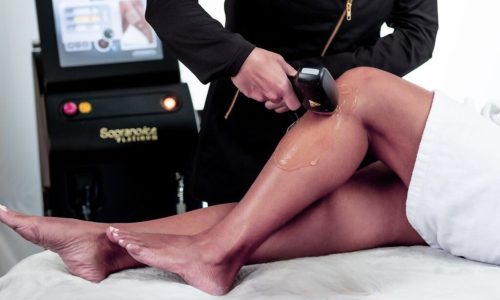
The most appropriate device should be selected according to an individual’s skin type, hair characteristics and the equipment available. Our Candela and Alma Soprano ICE technologies for hair removal are suitable for use with different wavelengths and skin tones.
What Are the Benefits of Laser Hair Removal for African Skin?
When appropriately performed, laser hair removal can offer several benefits beyond reducing unwanted hair.
Reduced Ingrown Hairs
Ingrown hairs can occur when hair curls back into the skin or grows into the surrounding tissue. They may cause small bumps, irritation and inflammation, particularly in areas that are frequently shaved. Laser hair removal reduces hair growth over time, which can help reduce recurring ingrown hairs and associated irritation. This can be particularly beneficial for people who experience shaving-related bumps in the beard area, underarms or bikini line.
Fewer Shaving-Related Dark Marks
Repeated irritation from shaving, waxing or ingrown hairs can contribute to post-inflammatory hyperpigmentation. By reducing the need for frequent hair removal, laser treatment may help limit some of these recurring triggers. However, existing dark marks may not disappear simply because hair growth has been reduced. They may require separate assessment and treatment.
Longer-Lasting Hair Reduction
Laser hair removal can produce long-term hair reduction after a course of treatments. Hair that regrows may become finer or less noticeable, although maintenance sessions may be necessary. The results depend on factors such as hair colour, thickness, treatment area, hormonal influences and individual response.
Smoother Skin and Reduced Irritation
Reducing the frequency of shaving and waxing can make hair management more convenient and may reduce repeated skin irritation. For people prone to shaving bumps, this can improve the appearance and comfort of the treated area.
How Can You Reduce the Risk of Burns and Dark Spots?
A safe treatment experience starts before the laser is switched on. Proper assessment, preparation and aftercare all contribute to reducing the risk of complications.
When considering laser hair removal for darker skin, look for the following precautions.
- Choose an experienced practitioner. Ask whether the provider regularly treats people with your skin tone and understands the risks associated with laser treatment in skin of colour.
- Ensure the laser is appropriate for your skin. The device, wavelength and treatment settings should be selected according to your skin type, hair characteristics and treatment area.
- Discuss a test spot when appropriate. A test spot may help the practitioner assess how your skin responds before treating a larger area. It does not eliminate all risks.
- Avoid tanning before treatment. Recent tanning can increase the risk of unwanted skin reactions. Tell your practitioner about recent sun exposure and follow their advice on when to proceed.
- Follow pre-treatment and aftercare instructions. These may include avoiding waxing or plucking before treatment, shaving as directed, protecting the skin from the sun and avoiding irritating products immediately after the procedure.
What Happens During Laser Hair Removal?
Laser hair removal generally begins with a consultation. The practitioner assesses the treatment area, skin tone, hair colour and thickness, medical history and any previous reactions to hair-removal treatments.
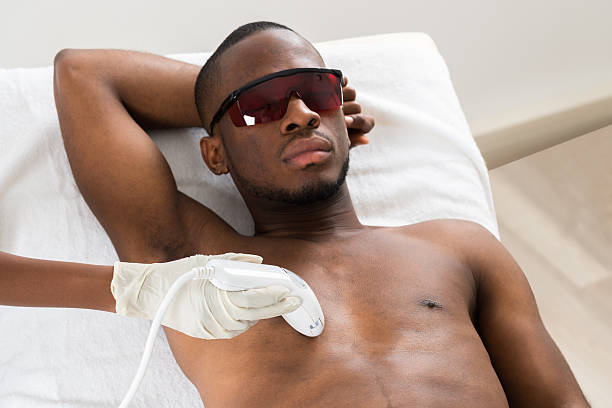
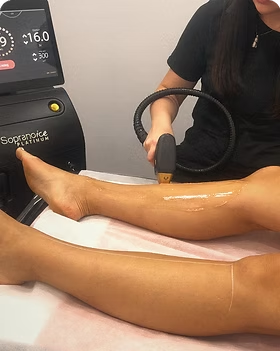
The skin is prepared according to the device’s instructions, and appropriate eye protection is provided. The laser applicator is then moved across the treatment area, delivering controlled pulses of energy to the hair follicles.
You may experience a warm sensation or a feeling similar to a small elastic band snapping against the skin. Cooling systems can help protect the skin and improve comfort.
After treatment, mild redness or swelling around the hair follicles may occur. These effects usually settle within a short period, although recovery varies. Persistent pain, blistering or significant changes in skin colour should be reported promptly to the treating practitioner.
Is Laser Hair Removal Suitable for All Darker Skin Tones?
Laser hair removal can be suitable for a wide range of skin tones, including very dark skin. However, suitability depends on more than skin colour alone.
Your practitioner should consider whether the hair contains enough pigment for the laser to target effectively, whether the skin has recently been tanned or irritated, and whether any underlying skin conditions could affect treatment.
People with active skin infections, significant inflammation or a history of unusual scarring may require additional assessment before treatment. Certain medications can also affect how the skin responds.
Laser hair removal is generally less effective on white, grey, blonde and red hair because these hair colours contain insufficient pigment for many laser systems to target reliably.
Laser Hair Removal at Avané Clinic
At Avané Clinic in Nairobi, choosing an appropriate hair-removal approach begins with understanding your skin and individual treatment goals. For people with African and darker skin tones, this includes considering the risk of pigmentation changes, the characteristics of the unwanted hair and the suitability of the available laser technology.
A professional consultation allows these factors to be assessed before treatment is recommended. Your practitioner can explain the expected results, the number of sessions likely to be required and the precautions that can help minimise unwanted reactions.
If you are considering laser hair removal in Nairobi, book a consultation at Avané Clinic to discuss your skin, hair-removal goals and the treatment options that may be appropriate for you. Visit our Yaya Centre and Gigiri Clinics, consult with our specialists and let us help you enjoy a more comfortable and hair-free life.