
Mental well-being, concentration, sleep and emotional balance can all influence a person’s quality of life. When these areas become difficult to manage, the effects may extend into daily routines, relationships, work and general functioning. Advances in non-invasive brain stimulation have introduced new approaches to supporting mental health and investigating specific neurological and behavioural concerns.
Exomind is a non-invasive brain stimulation treatment that uses repetitive transcranial magnetic stimulation (rTMS) technology. It delivers magnetic pulses to targeted areas of the brain to influence neural activity. The treatment is designed to support specific brain functions and is used clinically for certain mental health conditions, with research continuing into other potential applications.
At Avané Clinic, understanding how Exomind works and what it is used for can help individuals make informed decisions about their treatment options.
What Is Exomind?
Exomind is a brain stimulation system that uses ExoTMS technology to deliver controlled magnetic pulses to selected regions of the brain. Unlike medication, which acts through biochemical processes throughout the body, transcranial magnetic stimulation works by inducing electrical activity in targeted brain tissue.
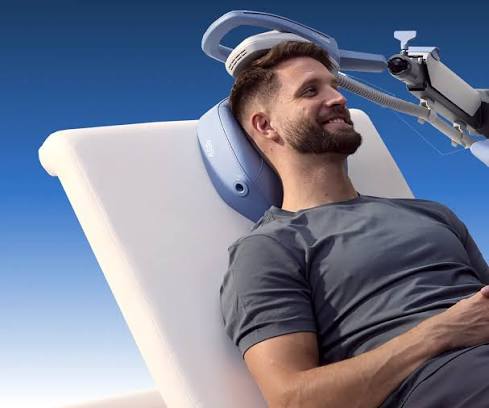
The treatment is non-invasive, meaning it does not require surgery or the implantation of electrodes. Magnetic stimulation is delivered through an applicator positioned against the head, with treatment parameters selected according to the clinical indication and individual assessment. Exomind is associated with treatment of conditions involving mood regulation and other brain functions.
How Does Exomind Work?
This cutting-edge treatment works by delivering repetitive magnetic pulses that influence the activity of nerve cells in targeted brain regions. This process is known as repetitive transcranial magnetic stimulation, or rTMS.
The treatment is based on the principle that stimulating specific neural networks can influence how different areas of the brain communicate and function. Repeated stimulation may also promote neuroplasticity, the brain’s ability to adapt and reorganise its connections in response to stimulation and experience.
Stages of Exomind Treatment
The process involves several stages.
1. Targeting Specific Brain Regions
Different brain regions contribute to functions such as emotional regulation, motivation, attention and decision-making. The treatment protocol determines which area is stimulated, based on the condition being addressed and the intended therapeutic effect.
2. Delivering Magnetic Pulses
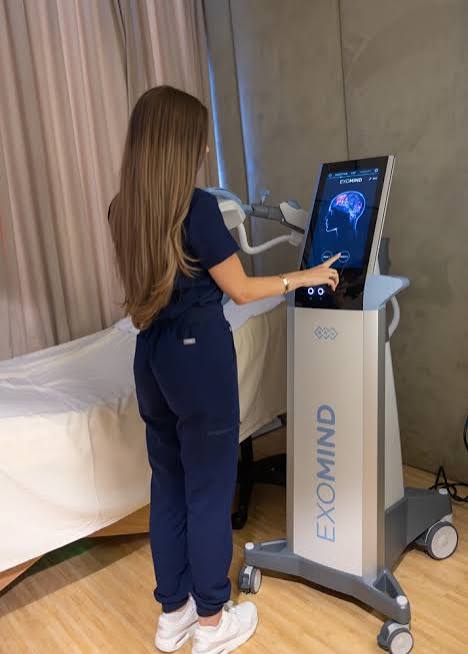
The Exomind applicator delivers controlled magnetic pulses through the scalp. These pulses induce electrical activity in the targeted brain tissue without requiring surgical intervention.
3. Influencing Neural Activity
Repeated stimulation can modify activity within targeted neural networks. In established applications such as major depressive disorder, rTMS is used to influence brain circuits associated with mood regulation.
What Conditions Is Exomind Used For?
Exomind is associated with several potential applications involving mental health, cognitive function, sleep and behavioural regulation. Here are some of the principal concerns for which Exomind may be considered or investigated.
1. Depression and Low Mood
Major depressive disorder is an established clinical application of transcranial magnetic stimulation. It can involve persistent low mood, reduced interest in activities, fatigue, changes in sleep and difficulty concentrating.
Exomind has received FDA clearance for treating major depressive disorder in adults who have not achieved satisfactory improvement with prior antidepressant medication. By stimulating targeted brain regions involved in mood regulation, rTMS influences neural activity associated with depressive symptoms.
2. Anxiety and Stress
Anxiety can involve persistent worry, restlessness, difficulty relaxing and physical symptoms associated with the body’s stress response. When these experiences become prolonged, they can affect sleep, concentration and everyday functioning.
Brain stimulation is used in anxiety management for its role in anxiety-related conditions. Exomind’s regulatory indications also vary, so its use for anxiety should be assessed against the applicable authorisation
3. Brain Fog and Concentration Difficulties
Brain fog is a general term used to describe experiences such as mental fatigue, forgetfulness, reduced attention and difficulty processing information. It is a symptom rather than a diagnosis and can have several underlying causes.
RTMS can influence neural networks involved in attention and executive function, hence, relevant to certain cognitive difficulties, such as mental fatigue. A clinical assessment is important before considering brain stimulation, particularly when concentration problems are persistent, worsening or affecting daily life.
4. Sleep Difficulties
Sleep problems can arise from stress, mood disorders, medical conditions, lifestyle factors and disruptions to the body’s sleep-wake cycle.
Brain stimulation can influence neural activity associated with sleep regulation and improve sleep outcomes in selected populations. However, Exomind should not be regarded as a proven treatment for every form of insomnia or poor sleep. Identifying the cause of the sleep disturbance remains an important part of choosing appropriate treatment.

5. Perimenopause-Related Mood and Cognitive Changes
Perimenopause can involve hormonal fluctuations alongside changes in mood, sleep, concentration and memory. Some women describe these experiences as mental fatigue or difficulty maintaining their usual level of focus.
Brain stimulation via TMS technologies is an area of interest in mental health and cognitive research. Exomind can be used as a treatment for perimenopause-related cognitive symptoms.
6. Food Cravings and Binge-Eating Behaviour
Food cravings and binge-eating behaviour can involve complex interactions between reward processing, emotional regulation, habits and environmental triggers.
Exomind’s magnetic stimulation technology is useful in influencing brain regions involved in reward processing and self-control. Clinical studies have specifically examined its use in reducing food cravings and exploring binge-eating-related outcomes.
7. Attention-Deficit/Hyperactivity Disorder (ADHD)
ADHD is a neurodevelopmental condition that can affect attention, organisation, impulse control and activity levels. Symptoms may interfere with work, education, relationships and everyday responsibilities.
Non-invasive brain stimulation influences neural networks involved in attention and executive function. Anyone considering brain stimulation for ADHD should consult an appropriately qualified clinician.
8. Addiction and Compulsive Behaviours
Addiction can affect reward processing, motivation, impulse control and decision-making. These processes involve interconnected neural circuits that are also being studied in brain stimulation research.
TMS has been investigated for certain substance-use disorders and compulsive behaviours, and Exomind can be used for treatment and management of addiction and related issues.
9. Cognitive Difficulties Following Stroke or Traumatic Brain Injury
Some people experience changes in memory, attention, processing speed or executive function following a stroke or traumatic brain injury (TBI).
Non-invasive brain stimulation is used as a possible addition to rehabilitation for selected cognitive and neurological difficulties. Its suitability depends on the nature of the injury, the affected brain functions and the individual’s medical history.
10. Cognitive Changes Associated With Ageing
Some changes in memory and processing speed can occur with ageing, but significant cognitive decline should not automatically be attributed to getting older. Brain stimulation is used in selected cognitive functions. Exomind can be used for management of age-related memory loss and preventing cognitive decline.
11. Alzheimer’s Disease and Parkinson’s Disease
Alzheimer’s disease and Parkinson’s disease are neurological conditions that can affect memory, movement and other aspects of cognitive or physical function. Non-invasive brain stimulation is an area of research in both conditions. Targeted stimulation could influence selected symptoms or support rehabilitation. Exomind can be used alongside specialist-led treatment and ongoing neurological care for Alzheimer’s or Parkinson’s disease and should not replace
12. Autism Spectrum Disorder
Autism spectrum disorder is a neurodevelopmental condition that can affect social communication, sensory processing, behaviour and patterns of interest. Individual experiences and support needs vary considerably. Researchers have investigated brain stimulation for certain symptoms and functional difficulties in autism. Any consideration of brain stimulation should involve appropriate specialist assessment, careful evaluation of potential risks and an individualised approach to care.
What Happens During an Exomind Treatment Session?
The treatment process begins with a consultation to understand the individual’s symptoms, medical history, previous treatments and goals. The clinician also assesses whether brain stimulation is appropriate and identifies any factors that may affect safety.
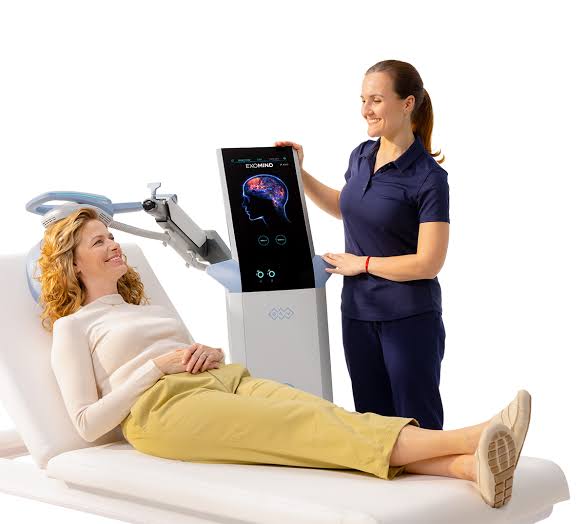
During a session, the individual sits in a treatment chair or lies down on the treatment area while the applicator is positioned against the head. The device then delivers magnetic pulses according to the selected protocol.
The sensation can vary, and some people experience tapping or discomfort around the stimulation site. The clinician monitors the treatment and adjusts the settings according to the prescribed protocol and the individual’s response.
A course of treatment generally involves multiple sessions rather than a single visit. The number, frequency and duration of sessions depend on the condition being treated and the clinical protocol.
Is Exomind Safe?
Exomind is a non-invasive treatment, but this does not mean it is suitable for everyone or entirely free of risk.
Common effects associated with transcranial magnetic stimulation can include scalp discomfort, headache or discomfort around the stimulation area. More serious complications, including seizures, are uncommon but recognised risks of TMS.
Before treatment, our specialists review the individual’s medical history, relevant neurological conditions and medications, as well as any implanted electronic or metallic devices that may affect treatment safety.
Who May Be Suitable for Exomind?
Suitability depends on the condition being addressed, the individual’s medical history and the treatment protocol being considered. A consultation helps establish whether Exomind is appropriate or whether another approach would be more suitable.
During the assessment, the specialist may consider the severity and duration of symptoms, previous treatment responses, current medication, relevant medical conditions and the individual’s expectations.
Exomind at Avané Clinic
At Avané Clinic, a considered approach to treatment begins with understanding the individual’s concerns and determining which options are clinically appropriate. Exomind offers a non-invasive brain stimulation approach, but its potential benefits depend on the condition being addressed and the evidence supporting its use.
For individuals exploring Exomind for mood-related concerns or other symptoms, an assessment can help clarify the available options, expected outcomes and relevant limitations. Where symptoms suggest an underlying mental health or neurological condition, appropriate specialist evaluation remains an important part of care.
If you are exploring Exomind, a professional consultation can help you understand whether it may be appropriate for your concerns and what alternatives are available. Visit our clinics at the Yaya Centre, Nairobi and at the United Nations Cres in Gigiri to consult with our experts. You can also book your appointment to begin your wellness journey.