
Healthy-looking skin is not only about having a clear complexion. Skin texture, hydration, tone, elasticity and overall radiance all contribute to its appearance. However, factors such as ageing, sun exposure, acne, dehydration and environmental stress can gradually affect skin quality, leaving it looking dull, uneven or tired.
For people looking to improve several aspects of their skin without undergoing an aggressive resurfacing procedure, MIRApeel offers a multi-step treatment approach. But what specific skin concerns can MIRApeel treat, and what kind of results can you expect?
At Avané Clinic in Nairobi, MIRApeel is used as part of a personalised skin rejuvenation approach. Understanding the concerns it can address can help you determine whether the treatment is suitable for your skincare goals.
What Is MIRApeel?
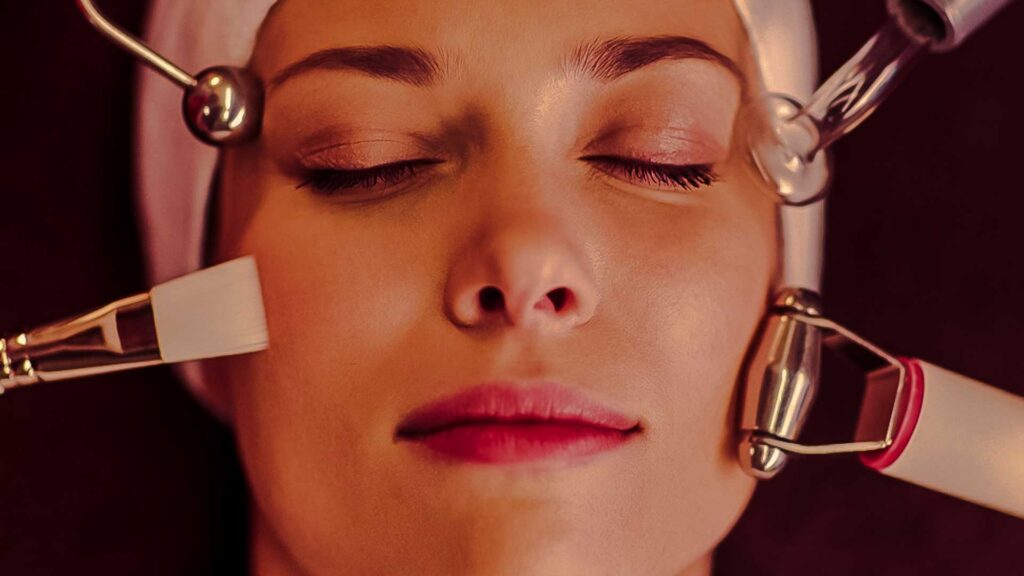
MIRApeel is an advanced skin resurfacing and transdermal delivery system designed to improve the appearance and condition of the skin through a combination of complementary technologies.
The treatment brings together several processes that work on different aspects of skin quality.
- Wet abrasion: Gently exfoliates the skin, helping remove dead skin cells and surface impurities.
- Evacuation: Uses controlled suction to remove loosened debris and impurities from the treated area.
- Microneedling and microchannelling: Creates controlled microchannels that support the delivery of selected skincare ingredients.
- Deep dermal infusion: Delivers carefully selected serums and active ingredients to nourish and hydrate the skin.
- LED rejuvenation: Uses light therapy as a complementary step to support skin recovery and rejuvenation.
By combining these processes, MIRApeel addresses surface-level concerns while supporting hydration and the overall appearance of the skin.
What Skin Concerns Can MIRApeel Treat?
MIRApeel can be considered for several cosmetic skin concerns. Its suitability depends on the condition being treated, its severity and the individual’s skin characteristics.
1. Dull and Tired-Looking Skin
A dull complexion can develop when dead skin cells accumulate on the skin’s surface. Dehydration, environmental exposure and a disrupted skincare routine can also contribute to a lack of radiance.
MIRApeel uses wet abrasion and exfoliation to remove surface build-up, helping reveal fresher-looking skin underneath. The infusion stage also delivers selected hydrating and nourishing ingredients to support a healthier-looking complexion.
Following treatment, the skin may appear brighter, feel smoother and have a more refreshed appearance.
2. Uneven Skin Texture
Uneven texture can make the skin feel rough or appear less refined. It may be associated with accumulated dead skin cells, enlarged pores, previous acne breakouts and changes in collagen.
MIRApeel combines exfoliation with controlled microchannelling to improve the appearance of the skin’s surface. The treatment helps remove superficial build-up while supporting the delivery of selected ingredients.
This can improve skin smoothness and create a more refined-looking complexion.
For deeper textural irregularities, however, additional treatments may be necessary. A dermatologist can assess whether MIRApeel alone is appropriate or whether a combination approach would be more suitable.
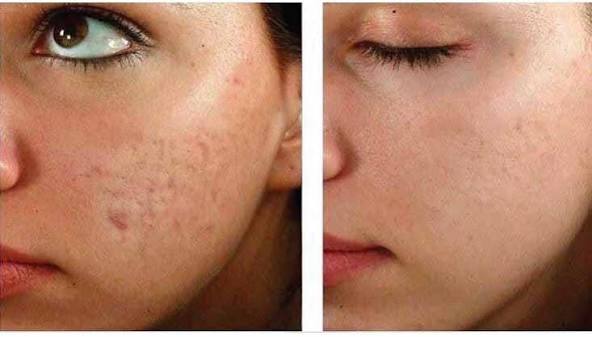
3. Acne Scars
Acne can leave behind different types of scars, including shallow depressions, uneven skin texture and areas of post-inflammatory discolouration.
MIRApeel may help improve the appearance of mild acne scarring by supporting surface exfoliation and skin renewal. Its microneedling component creates controlled microchannels, which can complement the skin’s natural repair processes.
The treatment may be particularly useful for individuals seeking improvement in superficial textural irregularities.
However, deeper atrophic scars, such as ice-pick and pronounced boxcar scars, often require more targeted procedures. Depending on the scar type, options may include medical microneedling, fractional laser resurfacing or other dermatological treatments.
4. Hyperpigmentation and Uneven Skin Tone
Hyperpigmentation occurs when certain areas of the skin produce or retain excess melanin, resulting in darker patches or spots.
It may develop following acne inflammation, prolonged sun exposure, hormonal changes or skin irritation. Common examples include post-inflammatory hyperpigmentation, sun spots and melasma.
MIRApeel may help improve the appearance of superficial pigmentation by exfoliating accumulated surface cells and supporting skin renewal. The infusion stage also allows selected skincare ingredients to be delivered as part of a personalised treatment approach.
However, not all pigmentation responds in the same way. Melasma, in particular, can be persistent and may worsen with heat, inflammation or inappropriate treatment.
A dermatologist should first identify the type and depth of pigmentation before recommending MIRApeel. Some individuals may benefit more from targeted pigmentation treatments, prescription skincare or laser procedures.
5. Fine Lines and Early Signs of Ageing
As the skin ages, collagen and elastin gradually decline. The skin may become less firm, while fine lines become more visible around the eyes, mouth and forehead.
Sun exposure, smoking, environmental factors and repeated facial movements can also contribute to the development of visible lines.
MIRApeel supports skin rejuvenation through exfoliation, microchannelling and the delivery of selected active ingredients. These processes can improve surface smoothness, hydration and the appearance of fine lines.
It may be suitable for individuals noticing early signs of ageing who want to refresh their skin without undergoing more intensive resurfacing.
For deeper wrinkles or significant skin laxity, other treatments may be more appropriate.
6. Dehydrated and Dry Skin
Dehydrated skin lacks sufficient water, while dry skin is generally associated with reduced natural oil production. Both can leave the complexion looking dull, rough or less supple.
MIRApeel incorporates deep dermal infusion, allowing selected hydrating ingredients to be delivered during the treatment.
Combined with gentle exfoliation, this can improve the skin’s surface condition and leave it feeling softer, smoother and more hydrated.
The treatment may be useful for people whose skin needs additional hydration and nourishment. However, persistent dryness caused by eczema, dermatitis or another medical condition requires appropriate diagnosis and management.
7. Loss of Skin Firmness and Elasticity
Skin firmness naturally changes with age as collagen and elastin production decline. Environmental exposure and other lifestyle factors can contribute to these changes.
MIRApeel’s combination of microchannelling and skin infusion is intended to support skin rejuvenation and improve overall skin quality.
It may help improve the appearance of early ageing and mild textural changes. However, it should not be considered a replacement for treatments specifically designed to address significant skin laxity or sagging.
A consultation can help determine whether MIRApeel is appropriate or whether another skin-tightening treatment would better address the concern.
Can MIRApeel Treat Stretch Marks?
MIRApeel technology is also designed for certain body-skin concerns, including stretch marks.
Stretch marks develop when the skin stretches or changes rapidly, causing alterations in the dermis. They commonly appear during pregnancy, puberty, weight fluctuations and periods of rapid muscle growth.
MIRApeel’s exfoliation and microchanneling components may help improve the appearance and texture of some stretch marks by supporting surface renewal and the delivery of selected skincare ingredients.
Is MIRApeel Suitable for All Skin Types?
MIRApeel can be personalised according to individual skin needs, but not everyone is automatically a suitable candidate. People seeking improvements in dullness, dehydration, uneven texture, mild pigmentation or early signs of ageing may be considered for treatment following an assessment.
However, individuals with active skin infections, open wounds, significant inflammation or certain skin conditions may need to postpone treatment or consider an alternative.
People with darker skin tones should also receive an appropriate assessment before resurfacing procedures, particularly when pigmentation is a concern. Excessive irritation or inflammation can sometimes trigger post-inflammatory hyperpigmentation.

What Results Can You Expect After MIRApeel?
MIRApeel is designed to improve the overall appearance and condition of the skin. Following treatment, individuals may notice:
- A smoother and more refined skin texture.
- Improved hydration and a softer skin feel.
- A brighter, more refreshed-looking complexion.
- A reduction in the appearance of superficial uneven pigmentation.
- Improved appearance of mild textural irregularities and fine lines.
Results vary depending on the skin concern, its severity and the individual’s response to treatment.
Some improvements in skin smoothness and radiance may be noticeable shortly after the session. Other changes, particularly those associated with skin renewal, may develop over time.
A course of treatments may be recommended depending on the individual’s goals. Maintaining results also involves appropriate skincare, sun protection and following the specialist’s aftercare instructions.
Why Choose MIRApeel at Avané Clinic?
At Avané Clinic in Nairobi, MIRApeel is offered as an advanced skin rejuvenation treatment for individuals looking to improve multiple aspects of their skin. Rather than using the same approach for everyone, treatment can be tailored according to individual skin concerns. The choice of serums and treatment approach is guided by the skin’s condition and the improvements being targeted. A consultation with our skincare specialists can help establish whether MIRApeel is appropriate for your needs. Visit our Yaya Centre or Gigiri Clinics to consult with our specialists and learn how we can help you revitalise your skin.